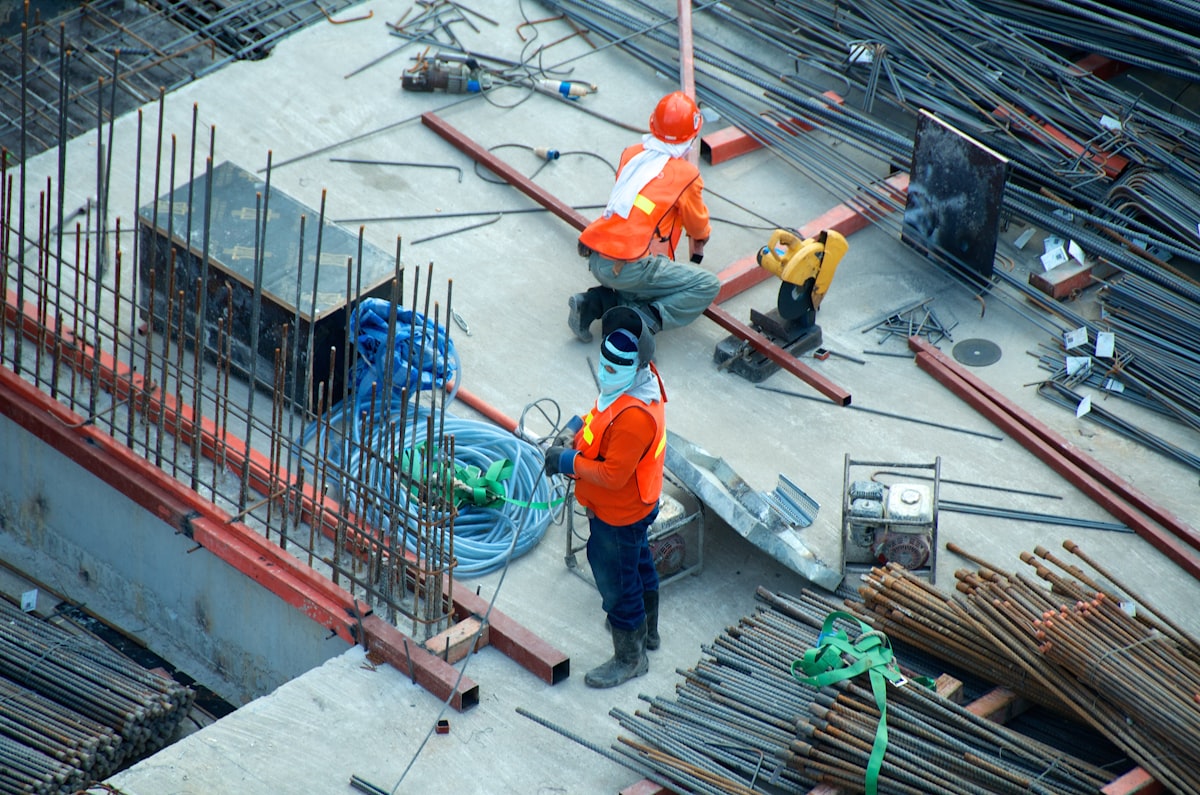
The startup world has produced one of the most seductive lies in modern business: move fast and break things. The implication is that speed is virtue, friction is the enemy, and breaking things is an acceptable cost of progress. This idea has been applied so broadly and so uncritically that it has infected industries and organisations far beyond Silicon Valley.
I want to argue the opposite. The most valuable thing you can build is something that lasts. And building things that last requires a pace that allows the foundation to be built properly, which is nearly always slower than you want, and rarely faster than the culture can absorb.
What Gets Broken When You Build Too Fast
I have seen this pattern repeatedly, in my own businesses and in the organisations of people I have worked alongside. When growth outpaces the foundation that supports it, specific things break:
- Culture, the values and practices that made the business worth building become diluted when growth requires you to hire faster than you can assess, onboard, and embed the culture in new people.
- Leadership capacity, the founder or leadership team becomes spread too thin. They are managing complexity they have not developed the systems to handle. Every decision flows back to the centre because there are not yet enough capable people who understand the direction well enough to make calls independently.
- Quality, the thing that made the business worth scaling gets compromised by the pressure to scale it. The product becomes good enough rather than genuinely excellent. The service becomes fast rather than remarkable.
- Relationships, long-term relationships with employees, clients, and suppliers get treated as assets to be optimised rather than people to be invested in. This is a cost that does not show up immediately but compounds.
The Tower of Babel Problem
"If as one people speaking the same language they have begun to do this, then nothing they plan to do will be impossible for them. Come, let us go down and confuse their language so they will not understand each other."
Genesis 11:6-7
The builders at Babel were not punished for ambition, they were interrupted because the foundation was wrong. They were building for their own name, not for the right purpose. When the shared language broke down, the project collapsed, not because God was against building, but because what they were building could not sustain the weight they were putting on it.
The lesson is not anti-ambition. It is pro-foundation. What you build will only sustain what the foundations can support. Build the foundations first.
Sustainable Over Scalable
Scalable is a growth metric. Sustainable is a longevity metric. They are not the same thing, and optimising for one at the expense of the other creates predictable problems.
A sustainable business is one that continues to create genuine value for its people, its customers, and its community, at whatever size it happens to be. A scalable business is one that can grow without breaking. The two are not opposed. But if you have to choose the sequence, build sustainable first. The scalable dimension becomes easier when the foundation is right.
I build slowly on purpose. Not because I lack ambition. Because I have seen what happens when ambition outruns wisdom, and I would rather build something I can still stand behind in ten years than something that grew fast and collapsed in three.